Your Tadalafil Label, Decoded: Why This Refill Looks Nothing Like the Last One
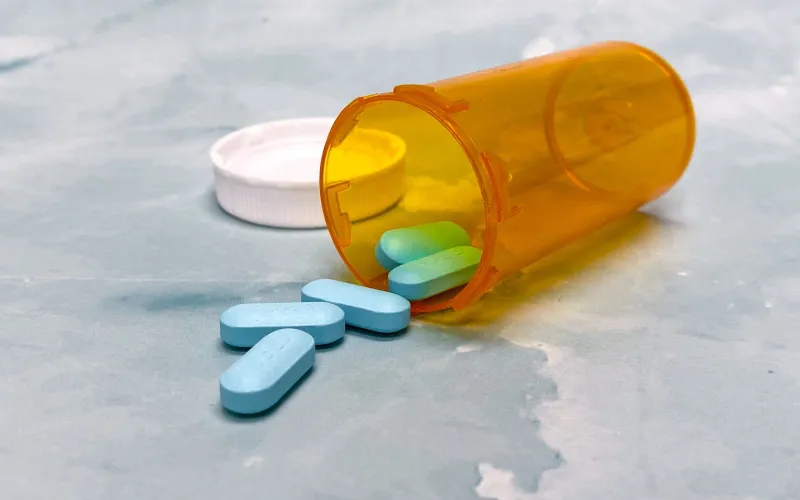
You open the refill and the pill is a different shape. Different color. Different little numbers stamped on it. The bottle says the same strength, the same directions, the same your-name — and yet everything about the thing inside feels wrong.
This happens constantly, and the vast majority of the time nothing is wrong at all. But the label in your hand is doing more work than most people realize, and learning to read it takes about five minutes.
Two Names, One Molecule
Tadalafil is the generic name — the actual chemical. Cialis is the brand name it was originally sold under. Both contain the same active ingredient at the same strengths. A generic has to demonstrate to the FDA that it delivers the drug to your bloodstream in a comparable way to the brand before it can be sold, which is what "bioequivalent" means on the paperwork you'll never see.
What a generic does not have to match is appearance. Shape, color, size, coating, and the imprint code on the pill can all differ. That's allowed, and it's the single biggest source of "is this the right stuff?" confusion in American pharmacies.
The Family Tree Has More Branches Than You Think
Roughly three things can end up in your bottle under the tadalafil name.
The brand. Original Cialis, made by the company that developed it.
An authorized generic. Chemically the brand product, made by the brand manufacturer, sold under the generic name — often at a lower price. Same pill, different label, sometimes a different bottle color.
A true generic. Made by an entirely separate manufacturer — and there are several supplying the US market. These are the ones that change shape and color most often, and the ones that change from refill to refill when a pharmacy switches suppliers.
Your pharmacy may also switch which manufacturer it stocks based on what's available that week. That's normal supply-chain behavior, not a sign that anyone swapped your medication for something sketchy.
How to Read the Label Like Someone Who Knows What They're Looking At
Here's what's actually printed on a US prescription label, and what each piece is telling you.
The five things to check first
- Your name and date of birth. Obvious, but pharmacy mix-ups do happen. Check it.
- The drug name and strength. "Tadalafil 5 mg" versus "tadalafil 20 mg" is a meaningful difference, especially if you take the daily version rather than as-needed.
- The directions. Daily dosing and as-needed dosing are different regimens with different pills. If the label suddenly reads "take one tablet daily" when you've always taken it before activity, call before you take anything.
- The quantity and refills remaining. Simple math catches a lot of errors.
- The fill date and the discard-after date. Prescriptions have a shelf life after dispensing that's often shorter than the manufacturer's expiration date on the stock bottle.
The number almost nobody looks at
Every prescription label carries an NDC number — the National Drug Code. It's usually three segments separated by dashes, and the first segment identifies the manufacturer or labeler. If your refill came from a different company than last time, that first chunk of digits will be different, and the pill will probably look different too. Matching the NDC on your new bottle to the one on your old bottle is the fastest way to confirm whether anything actually changed beyond packaging.
The auxiliary stickers
Those little warning labels stuck on the side aren't decoration. "May cause dizziness." "Do not take with nitrates." "Avoid alcohol" — that last one is worth a raised eyebrow for tadalafil specifically, since a drink or two is generally not the same problem it is with some other medications, but the sticker is there for a reason and the reason is worth asking about rather than ignoring.
What the Label Won't Tell You
It won't tell you that tadalafil absorption is slowed by a heavy meal, though it mostly isn't blocked. It won't tell you that grapefruit isn't the issue it is with some other drugs. It won't tell you which manufacturer is "better," because in the FDA's framework they're all supposed to be interchangeable.
It also won't tell you about inactive ingredients — the fillers, binders, and dyes that make up most of the pill's bulk. Those can differ between manufacturers. For most people they're irrelevant. If you have a dye sensitivity or a lactose issue, or you've noticed a reaction to one manufacturer's version and not another's, that's a legitimate question for the pharmacist, and they can look up the full ingredient list for you.
Questions Worth Asking Before You Assume Something's Wrong
Pharmacists field this all day. Nobody is annoyed by it.
- "Is this the same strength and the same directions as my last fill?"
- "Which manufacturer is this one, and did it change?"
- "Can you compare the NDC on this bottle to my previous fill?"
- "Are the inactive ingredients different from what I had before?"
- "If I notice a new side effect, is that something you'd want me to report?"
That last one matters more than it sounds. Side effects and manufacturer changes get tracked, and a pharmacist noting it is genuinely useful — both to you and to the next guy.
One more: if you've done well on a specific manufacturer's version, you can ask the pharmacy to note a preference on your profile. Availability isn't guaranteed, but many pharmacies will try.
Red Flags That Are Actually Red Flags
Label literacy cuts both ways. Most differences are cosmetic. A few aren't.
- The strength on the bottle doesn't match what you were prescribed.
- The pill has no imprint at all, or it's crumbling or smells strange.
- The bottle arrived with no pharmacy label, no NDC, and no one to call — which is common with "research chemical" tadalafil sold online as if it were a supplement.
- You're asked to pay a surprise charge or the seller won't identify a licensed pharmacist or prescriber.
- You feel genuinely different on the new pills in a way that concerns you.
That last one isn't proof of anything, but it's a reason to call rather than tough it out.
The Bottom Line
A different-looking pill is the least interesting thing about your refill. The label is the interesting part — strength, directions, NDC, dates — and it's readable in under a minute once you know what you're looking at. Generics are supposed to look different from the brand and from each other. What they're not supposed to do is disagree with your prescription. Check the five basics, glance at the NDC, and when something doesn't line up, ask the person with the license instead of the internet.